
Hazrat Khwaja Syed Mohammed Badshah Quadri Chishti Yamani Quadeer (رَحْمَةُ اللهِ عَلَيْهِ)
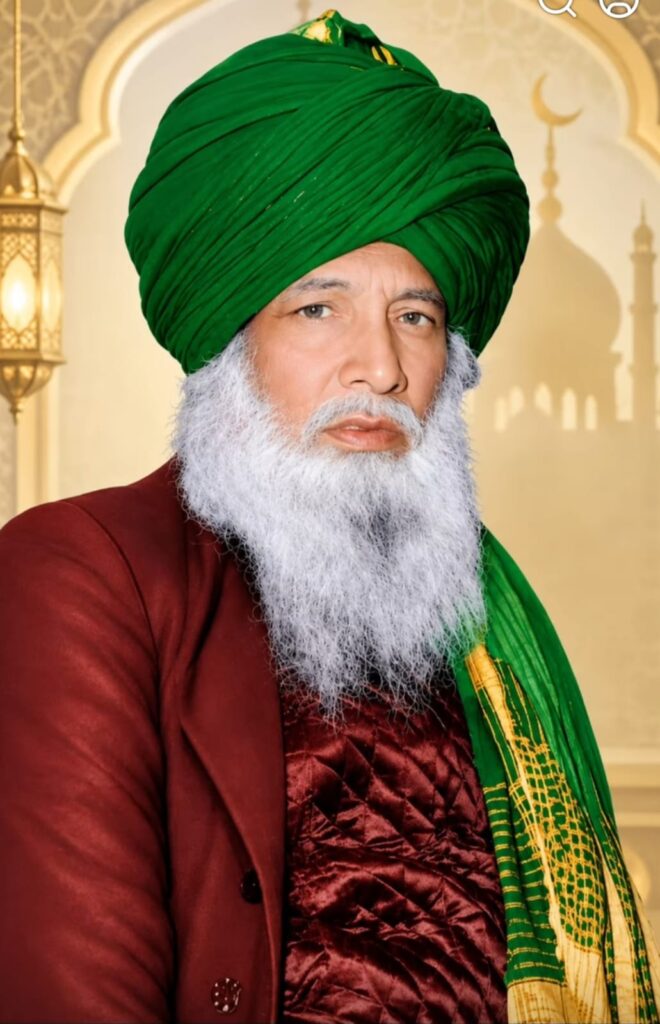
(Author of Gulzar-e-Quadeer, Founder of the Modern Era of Silsila-e-Quadeeriya at Halkatta Sharif)
1. Noble Lineage and Ancestry Sadat-e-Hasani Heritage: Hazrat Khwaja Syed Mohammed Badshah Quadri (Rah.) belonged to the noble Sadat-e-Hasani and Yamani lineage, tracing his sacred pedigree back through twenty-four links to Hazrat Ali (Kerramallahu Wajhah) and the Prophet Muhammad (ﷺ). Ancestral Migration from Yemen: His grandfather, Hazrat Syed Mohammad Abu Turab Yamani (Rah.), migrated directly from Yemen to the Deccan region. He settled in Raichur (Karnataka), establishing a massive legacy as a renowned scholar, teacher, and spiritual master whose historic large home and madrasa inside the Raichur Fort served thousands of seekers. His father was Hazrat Syed Abdul Rehman Quadri Yamani (Rah.) and his mother was Hazrat Aamina Bibi (Khwaja Bi Saheba). Blessed Birth: He was born on the morning of Jumma during Hajj-e-Akbar (Zilhaj 1324 AH / 1903 CE) in Raichur. His maternal grandfather named him Syed Mohammad Yamani, though from early childhood, everyone affectionately called him “Badshah”.
2. Early Awakening and First Pledge (Bay’ah)Spiritual Inclination: From his youth, he possessed a deeply spiritual disposition, regular in his devotions and inclined toward internal purification (Tazkiyah). Initiation: Around the age of 13 or 14, he began attending the night-long Zikr circles of his elder paternal uncle, Hazrat Syed Shah Nabi Mohiuddin Quadri Chishti (Rah.) in Raichur, performing night vigils and serving him sincerely until he was formally accepted as a disciple (Murid).
3. Meeting Sheikh Karimullah Shah (Rah.) and the Title “Quadeer” The Search for Absolute Truth: Driven by an intense thirst to experience the experiential reality of the Kalimah (La Ilaha Illallah Muhammadur Rasulullah), he met the reclusive Sufi master Hazrat Sheikh Karimullah Shah Quadri Chishti (resident of Chittaguppa Sharif). Rigorous Testing and Initiation: After enduring rigorous spiritual tests and testing of patience, Sheikh Karimullah Shah initiated him and bestowed upon him the mantle of Qadiri and Chishti caliphate on 24 Jamadi-us-Sani 1348 AH (October/November 1929 CE) at Gulbarga Sharif. Recognizing his spiritual capacity, his master bestowed upon him the special title and pen name “Quadeer”.
4. Migration to Halkatta Sharif and Absolute Tawakkal Relocation to Halkatta Sharif: Following his master’s instruction to leave worldly employment, he migrated to Halkatta Sharif (near Wadi Junction, Gulbarga District, Karnataka). Life of Asceticism: Welcomed by local leaders like the Patel and Mali families (such as Syed Makhdoom Hussaini), he established a life of absolute trust in God (Tawakkal). For 40 years, he lived a life of intense asceticism, walking barefoot, dressing simply, and spending nights awake in deep meditation (Muraqabah).
5. Shariah-First Principle and Priority of Salah Uncompromising Shariah Adherence: A cornerstone of his teaching in Gulzar-e-Quadeer is that true Sufism (Tasawwuf) is inextricably bound to strict, unyielding adherence to Islamic law (Shariah). Salah as the Absolute Priority: He explicitly condemned any fringe or misguided groups claiming spiritual connection while neglecting mosques or prayers. He established that Salah is guided as the absolute first priority—the anchor of human existence. The grand mosque built at Astana-e-Quadeeriya stands as proof, where the five daily prayers (Pangana Salah), Friday (Jummah), and Eid prayers are observed in strict congregation.
6. Literary Masterpieces and Global ReachAuthored Gulzar-e-Quadeer: He authored the monumental Sufi book Gulzar-e-Quadeer, bridging Shariah, Tariqah, and Marifah. Tugra-e-Panchrangi: On January 31, 1956, he designed the famous Tugra-e-Panchrangi (a calligraphic diagram mapping the spiritual dimensions of the Kalimah), which was distributed across many countries worldwide. Visal: He passed away on 13 Muharram 1399 AH (December 14, 1978 CE) and is laid to rest at Halkatta Sharif.